Weekend Freeway Shutdowns Impact Bay Area Commuters
![["San Francisco", "Vallejo", "transportation", "construction", "bay_area"]](/photo.php?name=caltrans.jpg "[\"San Francisco\", \"Vallejo\", \"transportation\", \"construction\", \"bay_area\"]")
Motorists across the San Francisco Bay Area should brace for significant disruptions this weekend as Caltrans executes critical infrastructure repairs on two major transportation corridors.
Key Takeaways
- Westbound Interstate 80 at the Carquinez Bridge closes for 53 hours starting Friday night.
- Highway 101 near the Hospital Curve in San Francisco faces full directional closures spanning late September and early October.
- Eastbound traffic on the bridge remains open while additional ferry service operates on the Vallejo route.
- Drivers are advised to utilize Interstate 680, Interstate 280, or public transit to avoid severe congestion.
Interstate 80 Carquinez Bridge Shutdown
The Alfred Zampa Memorial Bridge will experience a complete shutdown of all westbound lanes beginning at 10 p.m. on Friday. This 53-hour construction window aims to facilitate essential deck rehabilitation work. Crews anticipate reopening the westbound span by 3 a.m. on Monday morning. Throughout this timeframe, the eastbound direction will maintain normal operations.
Caltrans officials have coordinated with the San Francisco Bay Ferry to increase trip frequency on the Vallejo route during the weekend closure. Motorists traveling west from Sacramento or surrounding areas must navigate specific detours. The recommended alternate path involves taking Interstate 680 south and merging onto Highway 4 before rejoining Interstate 80 further west. Local routes through Vallejo also provide alternative access to the bridge approach.
Highway 101 Lane Restrictions in San Francisco
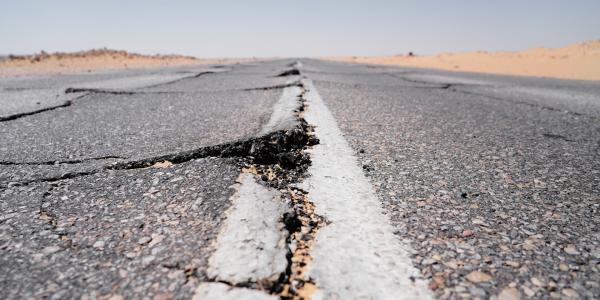
Simultaneously, San Francisco commuters will encounter significant disruptions on U.S. Highway 101 along the Bayshore Freeway. Caltrans is undertaking a comprehensive repaving project at the Hospital Curve, specifically between Cesar Chavez Street and 10th Street. Following critical drainage work that required partial lane blocks last weekend, crews will now implement full closures of all lanes in one direction for approximately 55 hours per shift. The first northbound shutdown begins at 11 p.m. on Friday, September 4, and is expected to reopen by 6 a.m. on Monday, September 7. A second northbound closure will follow from September 18 through 21. Southbound lanes will begin their initial 55-hour closure on Friday, October 2, with a second southbound shutdown scheduled for October 17.
Caltrans spokesperson Lori Shepherd emphasized the necessity of advance planning, stating that crews are ensuring drivers stay far away from the work zone due to the complete shutdown of northbound traffic. Motorists traveling north should consider taking Interstate 280 toward the Bay Bridge or exiting at Cesar Chavez Street to utilize Potrero Avenue through the Mission District toward downtown. To manage the anticipated surge on parallel routes, Caltrans has coordinated closely with local stakeholders, including Zuckerberg San Francisco General Hospital, emergency transportation services, and the Kansas Street Neighborhood Association. The agency also connected with Chase Center officials to prepare for increased traffic from events like the Golden State Valkyries versus Seattle Storm game on September 19, which falls within the closure window.
While the Labor Day weekend typically brings heavier travel volumes, officials noted it remains the optimal timeframe for this pavement work. The project is highly weather dependent, requiring dry conditions to ensure proper curing and safety. By selecting a period with reduced commuter traffic and favorable summer weather, crews can execute the rehabilitation efficiently before returning for subsequent phases.
These targeted closures are part of the larger US 101 Hospital Curve Rehabilitation Project, which commenced last fall and is projected to continue through 2028. The extensive initiative spans 15.4 lane miles from the Candlestick Point Recreation Area to the Mission District. Beyond surface repaving, the rehabilitation encompasses comprehensive upgrades to the freeway drainage infrastructure and median barriers to enhance long-term safety and durability.
Local California Context
This coordinated effort highlights the ongoing maintenance demands placed on California's aging highway systems. The Bay Area relies heavily on these connectors for daily commerce and cross-bay travel. Delaying non-essential trips or shifting schedules to midweek mornings could significantly reduce personal inconvenience during the shutdown windows.
Background
Caltrans frequently utilizes overnight and weekend hours to execute complex pavement and structural repairs without halting daytime traffic flow entirely. These targeted projects often require extended windows to manage concrete curing times and heavy machinery placement safely.
Conclusion
Residents planning weekend travel across the Bay Area should review official detour maps ahead of time. Staying informed through Caltrans alerts and adjusting departure times will help mitigate frustration during these necessary roadway improvements.