Redwood City Unveils $3.3M Traffic Safety Overhaul
![["Redwood City", "infrastructure", "public_safety", "urban_planning"]](/photo.php?name=city_council-town_ouncil.jpg "[\"Redwood City\", \"infrastructure\", \"public_safety\", \"urban_planning\"]")
The Redwood City Council took decisive action to improve local traffic safety by unanimously approving a $3.3 million infrastructure project this past Monday. Targeting the Centennial Neighborhood, the initiative focuses on microsurfacing roads, installing critical traffic controls, and expanding safe pathways for walkers and cyclists.
Key Takeaways
- Redwood City Council approved a $3.3 million contract for the Centennial Neighborhood MicroSurfacing Project.
- The plan introduces 14 new all-way stop signs, improved pavement, and ADA-compliant curb ramps.
- Infrastructure upgrades aim to enhance safety for pedestrians and cyclists in a historically vulnerable area.
- City data shows over 3,000 collisions between 2019 and 2024, prompting targeted traffic calming measures.
Comprehensive Infrastructure Investment
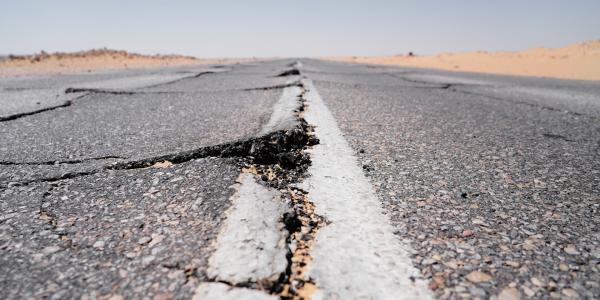
The newly awarded contract funds the 2026 Centennial Neighborhood MicroSurfacing Project. This comprehensive upgrade will replace deteriorating pavement and introduce vital street design modifications. Among the most significant changes are fourteen new all-way stop signs strategically placed at intersections identified through a dedicated traffic study.
Council members emphasized that these stops will clarify right-of-way rules, reduce cut-through traffic, and significantly lower the risk of vehicle-pedestrian conflicts. Additionally, drivers will encounter ten-foot travel lanes marked with edge lines, alongside prominent Share the Road pavement markings to encourage mutual awareness between motorists and bicyclists.
Addressing High Collision Rates
Redwood City faces notable challenges regarding vehicular accidents. According to Principal Transportation Planner Malahat Owrang, the city ranks third among California cities of its size for total collisions. Historical data indicates that between 2019 and 2024, more than three thousand crashes occurred within city limits. Approximately three percent of these incidents resulted in fatalities or severe injuries.
Most of these accidents take place on wider streets where higher volumes of cars move at increased speeds, necessitating targeted traffic calming interventions like those proposed in the Centennial district.
The installation of high-visibility crosswalk markings and reflective red signposts at busy intersections directly addresses these danger zones. Councilmember Chris Sturken highlighted the urgent need for these measures on Standish and Warren Streets, locations that have recently seen multiple reported accidents and constituent complaints.
Expanding Safe Transit Networks
Beyond immediate pavement repairs, the project aligns with the city's RWC Walk Bike Thrive strategic plan. This document identifies the Centennial Neighborhood as one of the most impacted areas regarding transportation equity and safety needs. To foster a seamless bicycle network, officials plan to develop future bikeways along several key corridors, including E Street, A Street, Arguello Street, Warren Street, and Hopkins Avenue.
The city utilized the Federal Highway Administration Bikeway Selection Guide to ensure these new paths prioritize low-speed, low-volume streets with secure intersection crossings. These long-term developments complement the immediate physical upgrades, creating a cohesive environment for active transportation.
Local California Context
This initiative reflects broader trends across California, which consistently ranks among the top ten deadliest states for pedestrians. As Bay Area municipalities increasingly prioritize Vision Zero goals and complete streets policies, Redwood City's investment demonstrates a proactive approach to reducing traffic fatalities and improving community mobility.
Background
The Centennial Neighborhood has long been recognized for its diverse population and unique transit challenges. Previous community feedback and municipal studies repeatedly flagged dangerous intersections and inadequate cycling infrastructure as primary concerns for local families and commuters.
Conclusion
By allocating substantial funding toward road rehabilitation and traffic calming technology, Redwood City is making measurable strides toward safer streets. Residents can anticipate smoother commutes and enhanced protection for vulnerable road users as construction moves forward later this year.