Los Angeles County Readies for Historic Super El Niño Storm Season
![["Los Angeles", "weather", "public safety", "emergency preparedness"]](/photo.php?name=los_angeles_county-_la_county.webp "[\"Los Angeles\", \"weather\", \"public safety\", \"emergency preparedness\"]")
Los Angeles County emergency officials have unveiled comprehensive preparedness measures ahead of what meteorologists predict could be one of the most intense Super El Niño seasons on record.
Anticipating Unprecedented Weather Events
Experts project a high likelihood of exceptionally heavy rainfall across Southern California this fall and winter. The National Oceanic and Atmospheric Administration's Climate Prediction Center has indicated a greater than 90% chance of very strong weather events this winter. The anticipated Super El Niño phenomenon brings a distinct threat of frequent, powerful storms capable of triggering severe flooding, flash floods, and rapid temperature shifts.
- High probability of intense and prolonged rainfall events
- Elevated risk of mudslides and debris flows in fire-scarred mountain zones
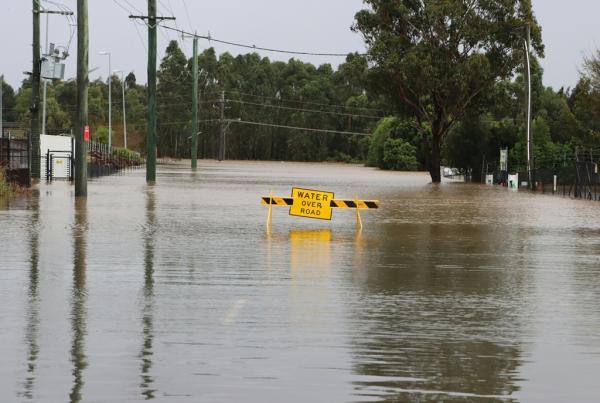
- Potential for widespread urban and rural flooding
Official Preparedness Measures Underway
Luis Ramirez, Deputy Director of the Los Angeles County Department of Public Works, emphasized that residents must proactively identify if their properties lie within susceptible flood zones. To assist with this, the county has deployed thousands of engineers to ensure dams and drainage systems remain completely clear of obstructions.
“What that means is there is a probability we will experience more frequent and more intense storms,” said Ramirez. “You can find out if your home is in a flood-prone area and register to receive county alerts regarding flood or mudslide dangers.”
Mark Pestrella, Director of the Los Angeles County Department of Public Works, echoed these concerns, noting that county leaders convened during a Board of Supervisors meeting months ahead of the typical rainy season to coordinate response efforts.
County Supervisor Lindsey Horvath emphasized the severity of the upcoming season, stating that meteorological models predict this El Niño phenomenon will deliver an extraordinary impact across the region.
Pestrella confirmed that the county's flood control infrastructure is fully prepared, highlighting the maintenance of dams, spreading grounds, and 144 debris basins specifically designed to channel stormwater from mountainous regions to the ocean. Officials have identified the Antelope Valley, Malibu, and low-lying areas of Long Beach and Los Angeles as locations facing heightened inundation risks, particularly where intense rainfall could double normal ponding levels.
To address the anticipated surge in emergencies, Pestrella noted that county agencies will double their operational staff during intense rainfall events to guarantee continuous monitoring and rapid response capabilities.
The Los Angeles County Fire Department is simultaneously scaling up its operational capacity. Jonathan Torres, a department engineer, confirmed that specialized swift-water rescue units and Urban Search and Rescue personnel are being pre-positioned for immediate deployment around the clock.
Essential Steps for Residents
Authorities are strongly advising homeowners to secure comprehensive flood insurance and strictly comply with any mandatory evacuation orders. For those seeking peace of mind, the Department of Public Works offers complimentary property risk evaluations. Homeowners can schedule these assessments by calling 1-800-933-0930.
Preparation remains the primary defense against the coming storms. Residents should maintain emergency supplies, including non-perishable food and water, capable of sustaining households through extended power outages or isolation periods. Pestrella also encouraged individuals to conduct simple but critical property checks, such as cleaning out gutters and assessing whether homes sit near ponds or on hillsides with higher vulnerability. Additionally, Supervisor Lindsey Horvath is scheduled to host a virtual town hall later in the month, providing a platform for county experts to answer questions and guide communities through final preparations.
Local California Context
Southern California has historically battled devastating rains and soil erosion, but the current forecast signals a level of precipitation intensity rarely witnessed in recent decades. Areas previously devastated by wildfires face compounded dangers, as charred landscapes lose their natural ability to absorb sudden downpours, significantly increasing the velocity and volume of debris flows.
Background
El Niño is a naturally occurring climate pattern characterized by warming ocean temperatures in the central and eastern tropical Pacific. Typically manifesting every two to seven years, these cycles profoundly disrupt global weather patterns. A Super classification indicates extreme thermal anomalies that drastically amplify storm tracks and precipitation totals.
Conclusion
As the rainy season approaches, vigilance and preparation are paramount for millions of Angelenos. By utilizing official resources, securing proper insurance, and staying informed through county alert systems, communities can effectively navigate the challenges posed by this historic weather event.