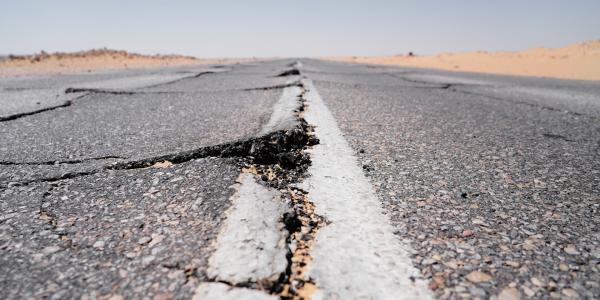
El Centro California Launches Weeklong Pavement Preservation Project
![["El Centro", "infrastructure", "municipal_work", "traffic_updates"]](/photo.php?name=california.jpg "[\"El Centro\", \"infrastructure\", \"municipal_work\", \"traffic_updates\"]")
Key Takeaways
- The City of El Centro is conducting asphalt rubber aggregate membrane chip-seal operations from August 25 to 27.
- Work targets multiple residential and arterial streets across the county seat.
- Motorists must expect lane closures and follow active construction zone directions.
Project Overview
The municipal public works department has initiated its 2026 Street Overlay Project. Crews are applying asphalt rubber aggregate membrane treatments to designated roadways. This preservation method uses a specialized mixture of asphalt rubber and crushed stone to seal existing surfaces. The primary goal is to prevent further deterioration and extend the functional lifespan of aging infrastructure.
Affected Neighborhoods and Routes
Construction activities are divided across three days to minimize broad disruptions. Tuesday operations cover Fairfield Drive, Aurora Drive, West Ross Avenue, and Third Street. Wednesday shifts focus to Manzanita Drive, Jacaranda Drive, Danenberg Drive, Cypress Drive, and Lenrey Avenue. Thursday schedules work along Lotus Avenue, 23rd Avenue, Desert Gardens Drive, Pepper Drive, Pepper Court, and State Street.
Motorists traveling through the affected areas should use caution, follow posted traffic-control signs and directions from construction crews, and allow additional time for possible delays.
Local California Context
Imperial County experiences extreme summer temperatures that accelerate asphalt degradation. The region frequently endures heat waves exceeding 110 degrees Fahrenheit, which softens traditional pavement and causes rapid cracking. Municipal engineers prioritize rubberized overlays during cooler late-summer windows to ensure proper adhesion and curing. This proactive maintenance strategy reduces long-term repair costs for local taxpayers while maintaining safer driving conditions.
Background
Pavement preservation programs have been a staple of municipal infrastructure management for decades. Cities transitioned to rubberized asphalt blends after standard mixes proved vulnerable to thermal expansion and heavy vehicle loads. These composite materials offer greater flexibility and water resistance compared to conventional paving solutions.
Conclusion
Residents are asked to avoid parking vehicles within active construction zones to guarantee crew safety and project efficiency. For comprehensive route details and daily progress updates, the city has released an official press guide available in both English and Spanish. The schedule remains subject to adjustments based on weather patterns and field conditions. Public cooperation ensures timely completion of essential roadway upgrades.